A passion for animals is one of the most common motivations students have when thinking about their future careers, and one of the most commonly underexplored. Most people default immediately to veterinary surgery and stop there. But the range of careers that involve working with animals, studying them, protecting them, caring for them or using scientific knowledge to improve their lives is far broader than that.
This guide covers 20 genuine careers that involve animals in a meaningful way, from the highly clinical to the ecological, from the creative to the scientific. Each one includes what the role actually involves, the typical salary range, the qualifications you need and how to start building towards it from school.
Whether you are aiming for vet school or a conservation role, practical experience with animals is expected and valued by universities and employers alike. Volunteering at an animal shelter, helping at a farm, assisting at a stable or supporting a wildlife charity are all worth doing now, not just when you are about to apply for something.
The 20 careers
Veterinary Surgeon
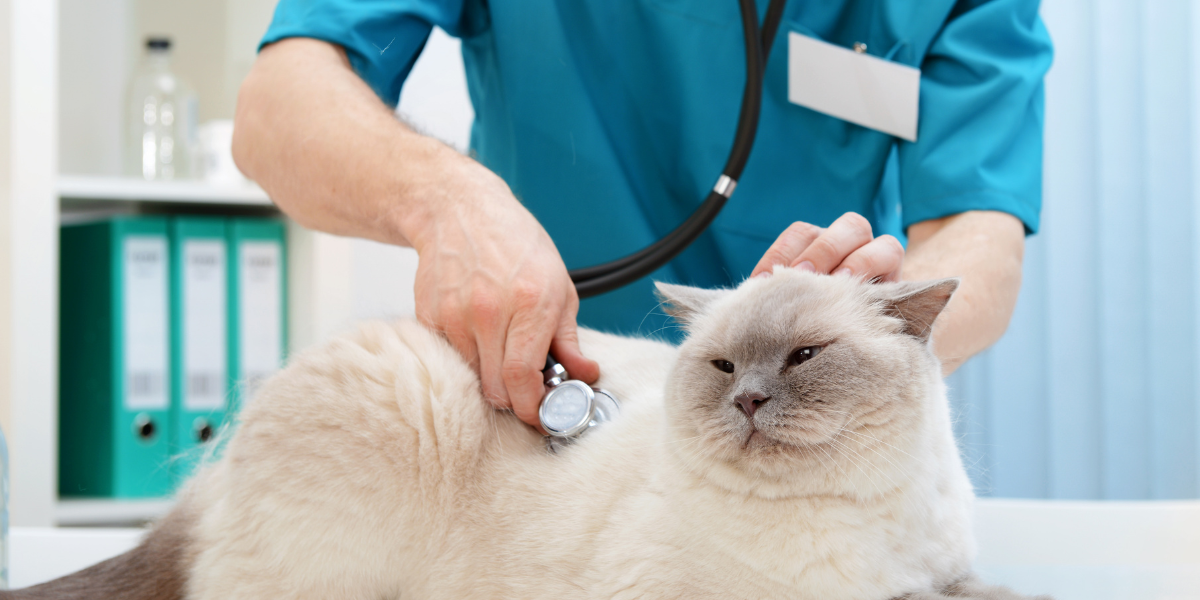
Diagnoses and treats illness and injury in animals across a range of species. Vets work in small animal practice, large animal and farm practice, equine practice, wildlife and zoo settings, research and the armed forces. One of the most academically demanding careers on this list to enter.
Qualifications: A-Levels in Chemistry and Biology (A*AA typically required), five-year veterinary degree, RCVS registration.
Veterinary Nurse
Works alongside vets to provide clinical care, assist with surgery, monitor anaesthesia and support animal recovery. A hands-on clinical role with significant patient responsibility. Can be entered via a degree or an apprenticeship route, making it accessible from school without a traditional university path.
Qualifications: GCSE Maths, English and Science (grade 4+), Level 3 Diploma or degree in veterinary nursing, RCVS registration.
Wildlife Biologist
Studies wild animal populations, behaviour, ecology and conservation status. May work in the field conducting surveys, in the lab analysing data, or in policy and advocacy settings. Roles exist in government agencies, conservation charities, research institutions and consultancies. Fieldwork is a major feature of most roles.
Qualifications: A-Levels including Biology, degree in Zoology, Wildlife Biology, Ecology or a related field.
Marine Biologist
Studies marine organisms and ecosystems, from coral reefs and deep-sea species to fish populations and marine mammals. Work can involve boat-based fieldwork, scuba diving, laboratory research and data analysis. Roles are competitive and often require postgraduate study for research positions.
Qualifications: A-Levels in Biology and Chemistry, degree in Marine Biology or Oceanography, often a postgraduate qualification for research roles.
Animal Behaviourist
Studies and modifies animal behaviour for welfare, training or research purposes. Applied animal behaviourists work with pets and their owners to address problem behaviours. Research behaviourists study animal cognition, communication and social structures. Clinical animal behaviour is a regulated profession requiring specific qualifications.
Qualifications: A-Levels including Biology or Psychology, degree in Animal Behaviour or Psychology, postgraduate training for clinical practice.
Zoo Keeper
Cares for animals in zoos and wildlife parks: feeding, health monitoring, enclosure maintenance, behavioural enrichment and public education. A competitive and physically demanding role that requires relevant practical experience to enter. Most zoo keepers start as volunteers before gaining paid positions.
Qualifications: GCSEs in relevant sciences, Level 3 Animal Management qualification or degree in Animal Science or Zoology, substantial voluntary experience.
Conservation Officer
Works to protect habitats, species and biodiversity, often for government bodies, conservation charities or local authorities. Roles involve site management, ecological surveys, community engagement, planning advice and policy. The Wildlife Trust, Natural England, the RSPB and the National Trust all employ conservation officers.
Qualifications: A-Levels including Biology and Geography, degree in Conservation, Ecology or Environmental Science.
RSPCA / Animal Welfare Inspector
Investigates animal cruelty and neglect, rescues animals in distress and takes enforcement action where necessary. A front-line animal welfare role requiring strong communication skills and emotional resilience. The RSPCA runs a competitive selection process for inspector roles.
Qualifications: GCSEs and A-Levels, full UK driving licence, RSPCA training programme (funded on acceptance).
Farrier
Cares for horse hooves: trimming and balancing hooves and fitting horseshoes. A skilled trade requiring detailed knowledge of equine anatomy and biomechanics. Farriers are self-employed or work for equine vets and large stables. The career requires a formal apprenticeship registered with the Farriery Training Agency.
Qualifications: Registered farriery apprenticeship, progression to Approved or Fellow of the Farriers Registration Council.
Animal Physiotherapist
Rehabilitates animals following surgery, injury or neurological conditions using massage, hydrotherapy, exercise programmes and manual therapy. Works mainly with horses and dogs. Requires referral from a vet and is a regulated profession. Can be entered via a degree in human physiotherapy followed by postgraduate animal specialisation, or directly via some animal physiotherapy degrees.
Qualifications: Degree in physiotherapy or animal physiotherapy, IRVAP registration.
Zoologist
Studies animals and animal life across species, from their biology and genetics to their behaviour and ecology. Zoologists work in universities, research institutes, museums and conservation organisations. Most research positions require a PhD. Applied zoology roles in conservation and environmental consultancy are more accessible at degree level.
Qualifications: A-Levels in Biology and Chemistry, degree in Zoology or Biological Sciences, postgraduate study for research roles.
Dog Trainer or Behaviourist
Trains dogs in obedience, assistance work, search and rescue or sporting disciplines, or addresses behavioural problems in pet dogs. The field is largely unregulated at the basic level, though professional bodies such as the ABTC set standards for clinical practitioners. A growing industry with significant self-employment potential.
Qualifications: Level 3 Award or above in canine behaviour and training, membership of a recognised professional body for clinical roles.
Ecologist
Studies the relationships between organisms and their environments, often with a focus on informing planning decisions, environmental impact assessments and habitat management. Ecologists work in consultancies, local authorities, government agencies and conservation organisations. A practical, field-based profession with strong demand.
Qualifications: A-Levels in Biology and Geography, degree in Ecology, Environmental Science or Biology.
Equine Vet
A specialisation within veterinary surgery focused exclusively on horses. Equine vets work in large animal practices, racing yards, equestrian centres and specialist referral hospitals. The role combines clinical work with physical demands and requires the same veterinary degree as a general vet, followed by equine-specific experience and often postgraduate specialisation.
Qualifications: Same as veterinary surgeon, followed by equine-focused training and positions.
Wildlife Photographer or Filmmaker
Documents animals and natural environments through photography and film for publications, broadcasters, charities and scientific organisations. A highly competitive and largely freelance field that requires both technical photographic skill and deep knowledge of animal behaviour and habitats. Success typically involves years of building a portfolio alongside other income.
Qualifications: No formal requirement, though a degree in Photography, Film or Biology can help. Portfolio and experience are the primary currency.
Livestock Farmer
Manages the breeding, feeding, health and welfare of farm animals for food production. Modern livestock farming requires strong knowledge of animal nutrition, disease management, genetics and business management. Can be entered via an agricultural college, degree or direct family farm experience. Rural Payments Agency, NFU and agricultural colleges provide support and training.
Qualifications: Relevant GCSEs and A-Levels, degree or HND in Agriculture or Animal Science, or practical farm training.
Animal Nutritionist
Develops and advises on feeding programmes for domestic animals, livestock and zoo animals. Works for pet food companies, pharmaceutical firms, veterinary practices, farms and research organisations. Combines biochemistry, physiology and practical animal knowledge. A less well-known but genuinely growing field.
Qualifications: A-Levels in Biology and Chemistry, degree in Animal Science, Nutrition or Agricultural Science.
Cetacean Researcher
Studies whales, dolphins and porpoises: their behaviour, communication, migration, population status and threats. A niche but fascinating field that combines fieldwork at sea with acoustic analysis, data science and conservation advocacy. Positions are competitive and often require a postgraduate degree and significant voluntary experience.
Qualifications: Degree in Marine Biology or Zoology, postgraduate research experience, often a PhD for senior research roles.
Animal Welfare Scientist
Researches and evaluates the welfare of animals in farming, laboratory, companion and wild settings. Works for government agencies, research institutions, NGOs and food companies to develop and implement welfare standards. A policy-influencing, science-based role with real impact on how animals are treated at scale.
Qualifications: A-Levels in Biology, degree in Animal Science, Zoology or Psychology, postgraduate research for senior positions.
Biomedical Scientist (Animal Research)
Works in research settings developing and testing medicines, vaccines and treatments using animal models. A regulated and ethically complex field governed by strict Home Office licensing. Biomedical scientists in animal research play a critical role in the development of treatments for human and animal diseases. Requires named personal licence and institutional oversight.
Qualifications: A-Levels in Biology and Chemistry, degree in Biomedical Science or Biology, HCPC registration, Home Office personal licence.
What most of these careers have in common
Biology is the single most useful A-Level across the majority of animal-related careers and degrees. Chemistry is required alongside it for veterinary surgery, marine biology, animal nutrition and biomedical roles. If you are genuinely serious about working with animals in a professional capacity, prioritising these two subjects at A-Level keeps the widest range of options open.
Practical experience matters at every level. The careers on this list that are most competitive, vet school, zoo keeping, wildlife biology and marine biology in particular, all expect applicants to have hands-on experience before they apply. Volunteering at an animal shelter, helping at a farm or stables, assisting at a veterinary practice or getting involved with a local wildlife conservation group are all worth doing now rather than waiting until you are about to apply for something.
Passion for animals is the starting point, not the qualification. Every career on this list requires specific academic or vocational credentials alongside that passion. The students who turn their love of animals into a sustainable career are the ones who treat that love as a motivation to build the academic and practical foundations the field requires, not as a reason to bypass them.